AI, Robotics, and Shared Traditions
Housing and mortgages, AI in software development, Kurdish ASR decisions, a possible Ardalani AI and Microduck integration, and shared food traditions.
Participants: Sirwan, Omid, Arash, Saman, Foad
This session brought together technical ideas, personal experiences, and cultural conversations. The main project discussions were about our Kurdish ASR dataset and a possible robotics application for Ardalani AI.
Housing and AI in Software Development
Sirwan and Omid compared housing prices, mortgages, and the challenges of buying a home in Sweden and other European countries. Omid shared his experience with mortgages and financial planning.
We also discussed how AI is making software development more accessible to people without an engineering background. We shared different views on code quality, the future of code reviews, and how quickly companies are adopting AI.
Kurdish ASR Project
Arash argued that correcting Sina’s existing dataset could take as much time as preparing new data. Saman, Omid, and Sirwan thought improving it might still be useful.
Decision: Continue without the dataset for now, following the direction agreed in our previous session.
Uncensored Language Models
Sirwan introduced uncensored language models and shared an example (😈) he had tested with a friend. We discussed community-modified models based on DeepSeek and other open-weight families, their possible uses in cybersecurity research, and the risks of misuse.
Saman suggested that removing safety restrictions could require significant resources and be more practical for companies. Sirwan pointed out that many modified models are already publicly available for individuals to test.
Ardalani AI and Microduck
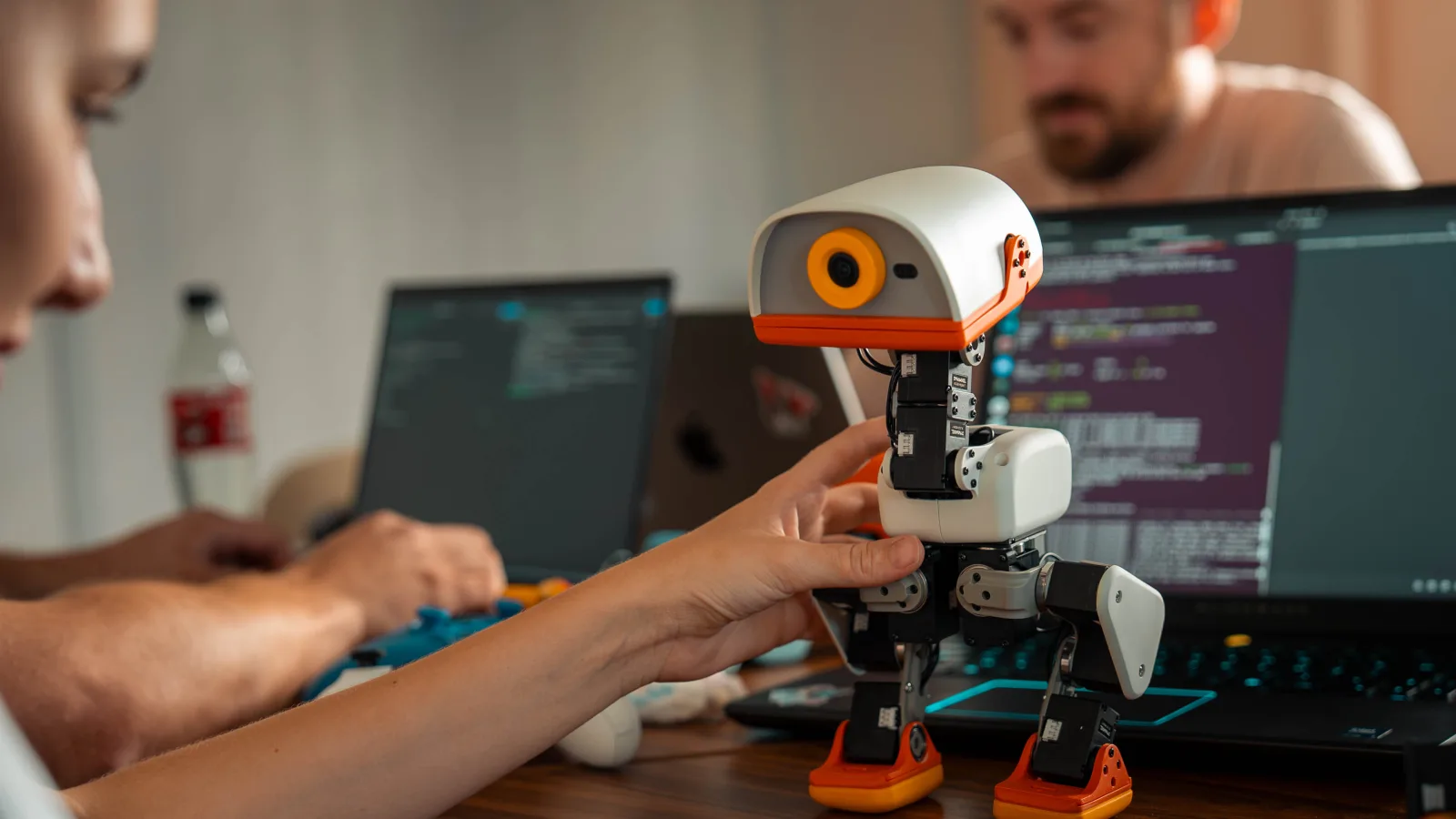
Photo: Pollen Robotics.
We discussed Microduck, an open-source robotic duck from Pollen Robotics, part of Hugging Face. Sirwan had considered buying one but had not found a useful application for it.
One idea was to connect Ardalani AI to Microduck, combining our ASR model, a language model, and speech synthesis so the robot could understand and speak Sanandaji Kurdish. This could become an interactive companion for children and adults, giving our Kurdish AI work a practical use.
We also discussed reinforcement learning as a possible way to develop new robot behaviours. We are all interested in the idea as an opportunity to work on IoT projects. We agreed to explore it further in the next session.
Dwêne and Shared Food Traditions
We talked about Dwêne (دوینه), and compared it with Greek trahanas version. Sirwan recalled encountering similar dishes in Greece and Poland, sometimes served as sweet dishes, which challenged his association of Dwêne mainly with Kurdish cuisine.
Omid made an interesting point; a possible connection between its name and the Kurdish word do (دۆ), referring to fermented yoghurt or DO. which led to a broader conversation about shared foods and traditions across cultures.
Drinks
We finished with a few drink recommendations:
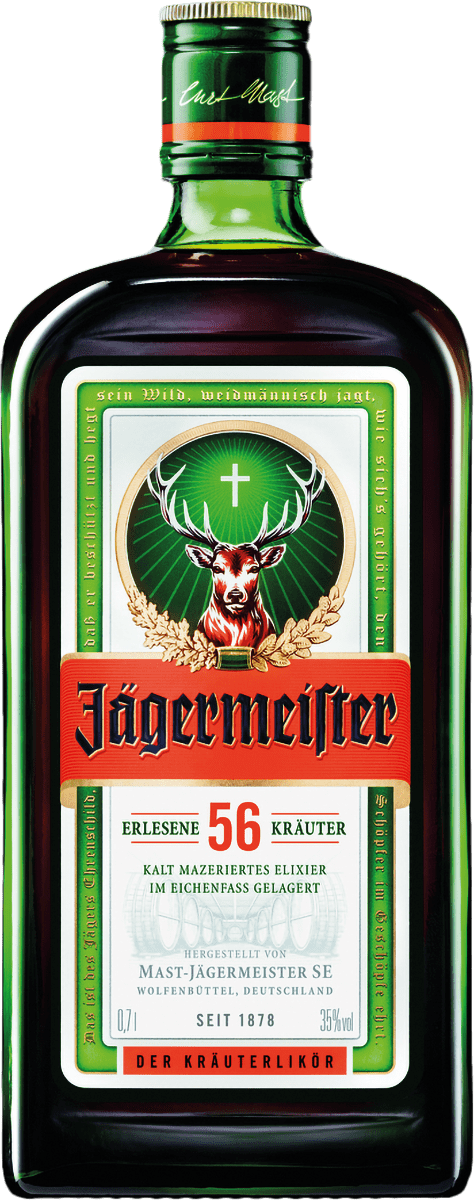 Jägermeister
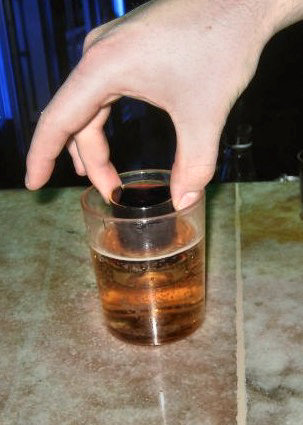 Jägerbomb — Jägermeister with Red Bull.
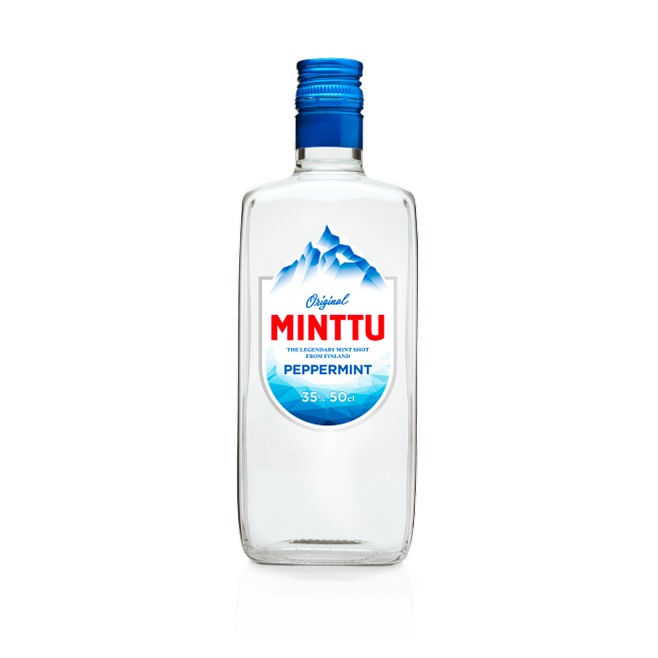 Minttu — Finnish peppermint liqueur.
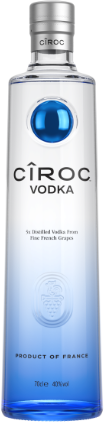 CÎROC — grape-based vodka.
Next Steps
- Continue the Kurdish ASR project without Sina Ahmadi’s dataset for now.
- Investigate how Ardalani AI could connect to Microduck and revisit the idea in our next session.